The global business landscape is experiencing a noticeable shift this week as financial markets respond to easing trade tensions and positive investor sentiment. On January 21, 2026, major U.S. stock indices closed significantly higher after political uncertainty around tariffs eased, signaling renewed confidence among investors and business leaders alike.
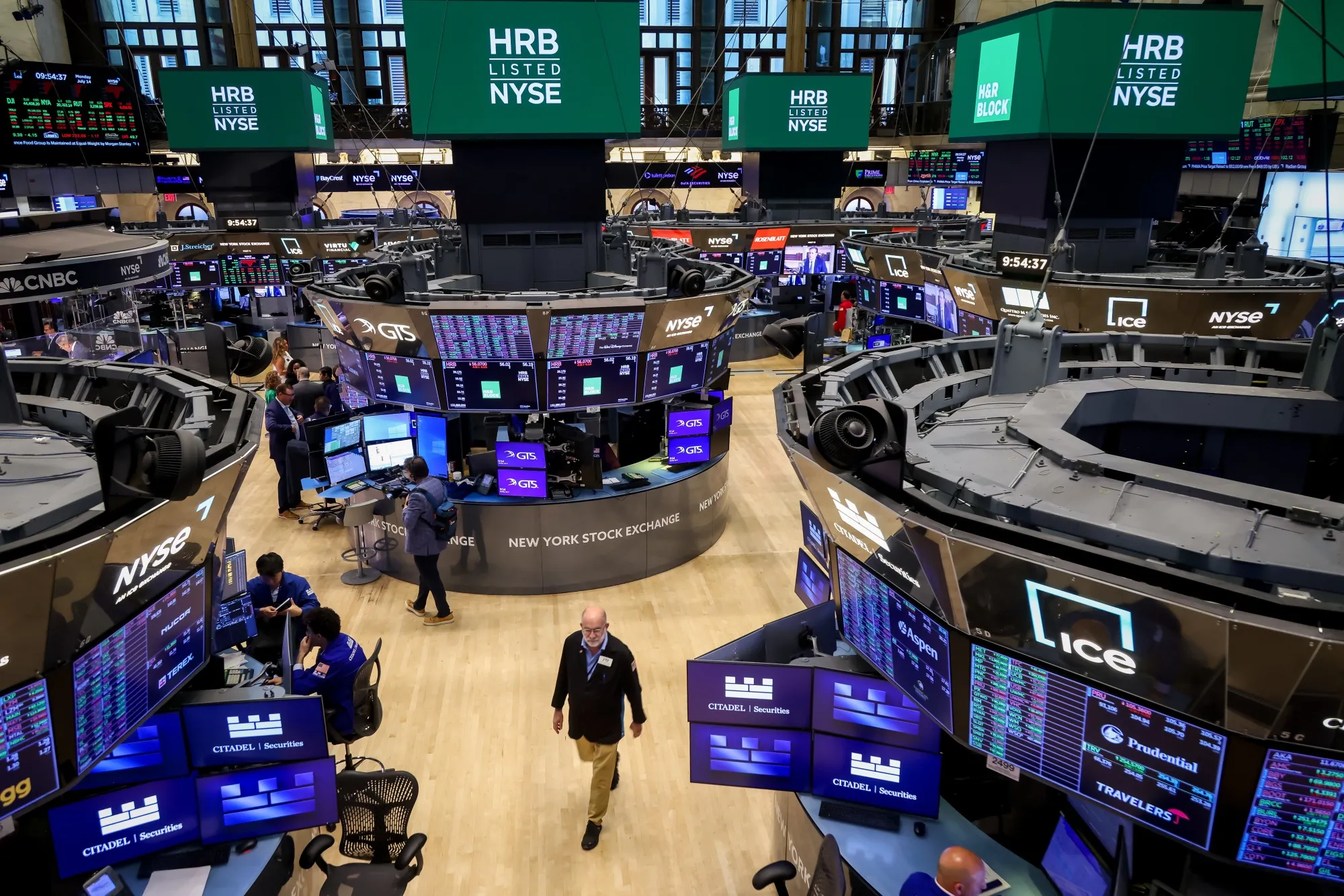
Wall Street’s rebound was broad‑based. The S&P 500 jumped 1.16%, marking its largest one‑day gain in recent weeks. The Dow Jones Industrial Average rose 1.21%, and the Nasdaq Composite climbed 1.18%. This rally followed news that the U.S. government had dropped previously threatened tariffs on several European allies, helping reduce fears of a looming trade war that had weighed on markets.
Investors reacted positively to the change in rhetoric. Strong earnings results from regional banks — including a double‑digit gain for Citizens Financial Group — also helped bolster the optimism, with even traditionally defensive sectors like energy and industrials contributing to the upswing.
Business leaders and market analysts are closely watching how this rally might influence broader economic trends throughout 2026. Some suggest that improved investor sentiment could lead to increased capital spending and lending activity, which in turn might give a boost to the overall economy. However, others caution that underlying structural issues — including geopolitical volatility and supply chain uncertainties — could temper long‑term gains.
Beyond the United States, Asian and European markets also showed signs of positive momentum on January 22. South Korea’s Kospi index climbed past the 5,000 mark for the first time, while the South African rand strengthened against the U.S. dollar, reflecting stronger risk appetite among global investors.
The currency move for the rand is notable because it indicates increased confidence in emerging markets. Economists point to improved macroeconomic indicators in South Africa — including a recent drop in inflation — as one factor supporting the currency’s gains.
For businesses watching the markets, this shift may present both opportunities and challenges. Companies with global operations could see benefits from reduced trade tensions, but must still prepare for currency volatility and geopolitical headwinds that could surface as 2026 progresses. Analysts also warn that while stock market gains are encouraging, they do not always translate immediately into stronger economic performance across industries.
In summary, the easing of tariff threats and a strong stock market rebound have given business leaders and investors cautious optimism heading into 2026. Whether this trend continues will depend on future policy decisions, corporate earnings, and global economic conditions — all factors worth watching closely in the weeks ahead.