Global financial markets showed renewed strength on January 22, 2026, as investors reacted positively to news that major trade tensions had softened and economic signals suggested growth momentum may continue. After a period of volatility tied to tariff threats and geopolitical uncertainty, major indexes climbed significantly, boosting business sentiment worldwide.
Stocks Surge After Greenland Framework Deal
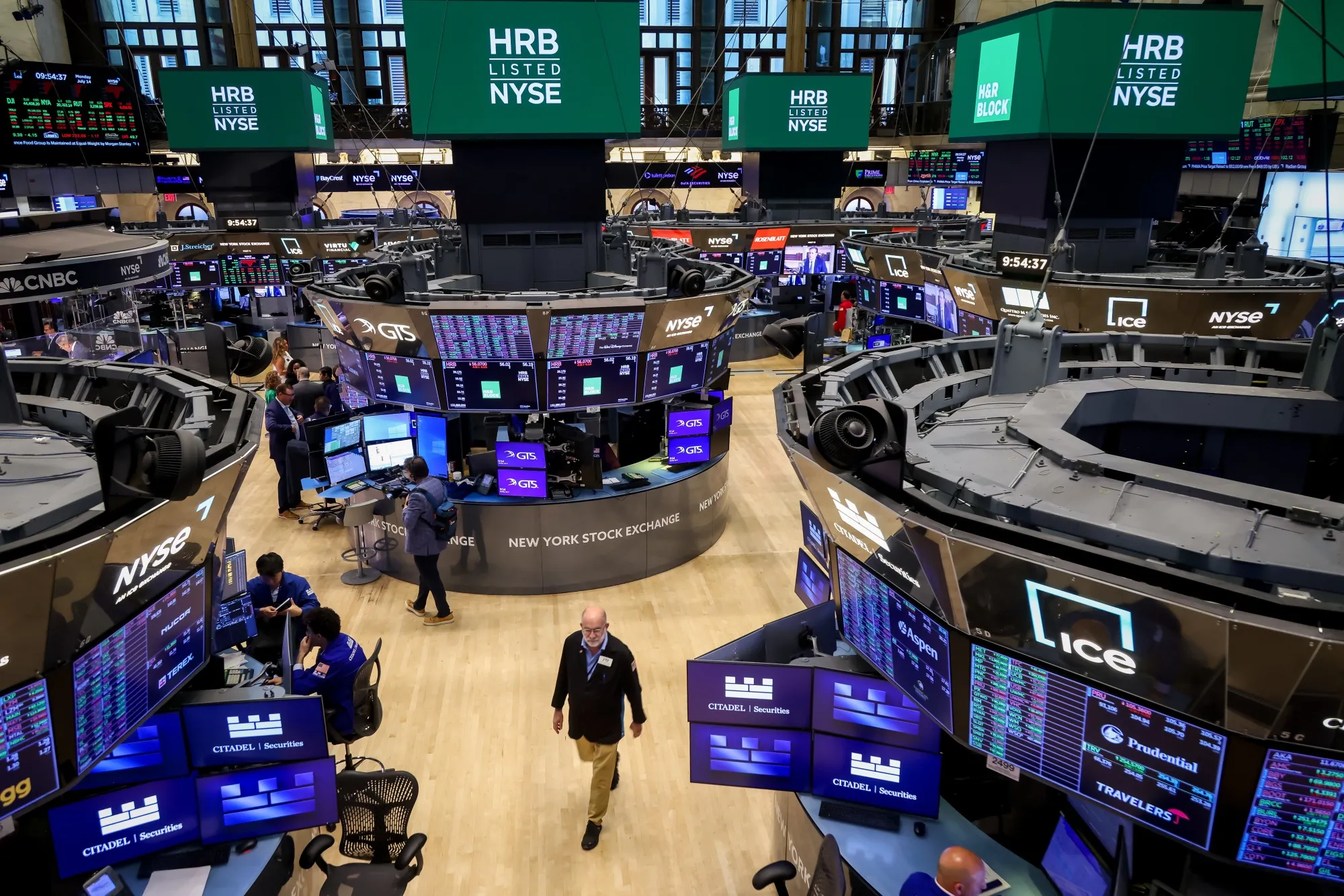
Wall Street saw a broad market rally after reports emerged that the United States agreed on a new framework related to Greenland, easing fears of fresh tariffs on European allies. The S&P 500 gained 1.16%, the Dow Jones Industrial Average rose 1.21%, and the Nasdaq climbed 1.18% in one of the strongest single‑day performances in recent weeks. Sector gains were widespread, with energy, banking, and airline stocks leading the charge.
Analysts say the market surge reflected relief from investors who had been nervous about a possible escalation in trade disputes and tariff barriers. With tariff threats deferred and cooperation frameworks in place, traders refocused on corporate earnings and economic fundamentals rather than political risk.
Bank Earnings Boost Market Optimism
A key driver behind the positive sentiment was stronger‑than‑expected earnings results from regional banks. For instance, Citizens Financial Group posted a double‑digit profit increase, and other financial institutions also reported higher interest income and fee‑based growth. This helped lift the overall banking index, suggesting that the financial sector may be rebounding after a period of pressure.
In addition, airline stocks also contributed to the uptick as carriers delivered optimistic forecasts for early 2026 — a sign that sectors hit hard by prior economic uncertainty may be stabilizing.
Emerging Market Strength and Currency Gains
Beyond the U.S., other regions showed encouraging signals. A recent report highlighted that Denmark’s B2C e‑commerce market is expected to grow 6.3% by 2029, indicating expanding consumer demand in Europe’s online retail sector. Meanwhile, Africa’s tourism industry led global growth last year, and markets in South Africa saw the rand strengthen against the U.S. dollar, reflecting rising investor confidence in emerging markets.
In the corporate sector, companies like Sasol reported improved fuel sales outlooks, although some sectors face mixed fortunes with changes in production or output forecasts. These developments indicate a nuanced economic picture in which some industries benefit from rising demand while others navigate structural shifts.
What This Means for Businesses and Investors
The latest market movement suggests that short‑term economic fear is abating, paving the way for increased investment activity and corporate confidence in early 2026. However, economists caution that sustained growth will depend on stable trade relations, geopolitical developments, and continued corporate earnings strength.
Investors and business leaders should watch for upcoming earnings reports, shifts in trade policy, and key economic data releases that could influence sentiment in the coming weeks. With global markets still sensitive to policy changes, careful strategy and diversification may remain key priorities for long‑term growth.