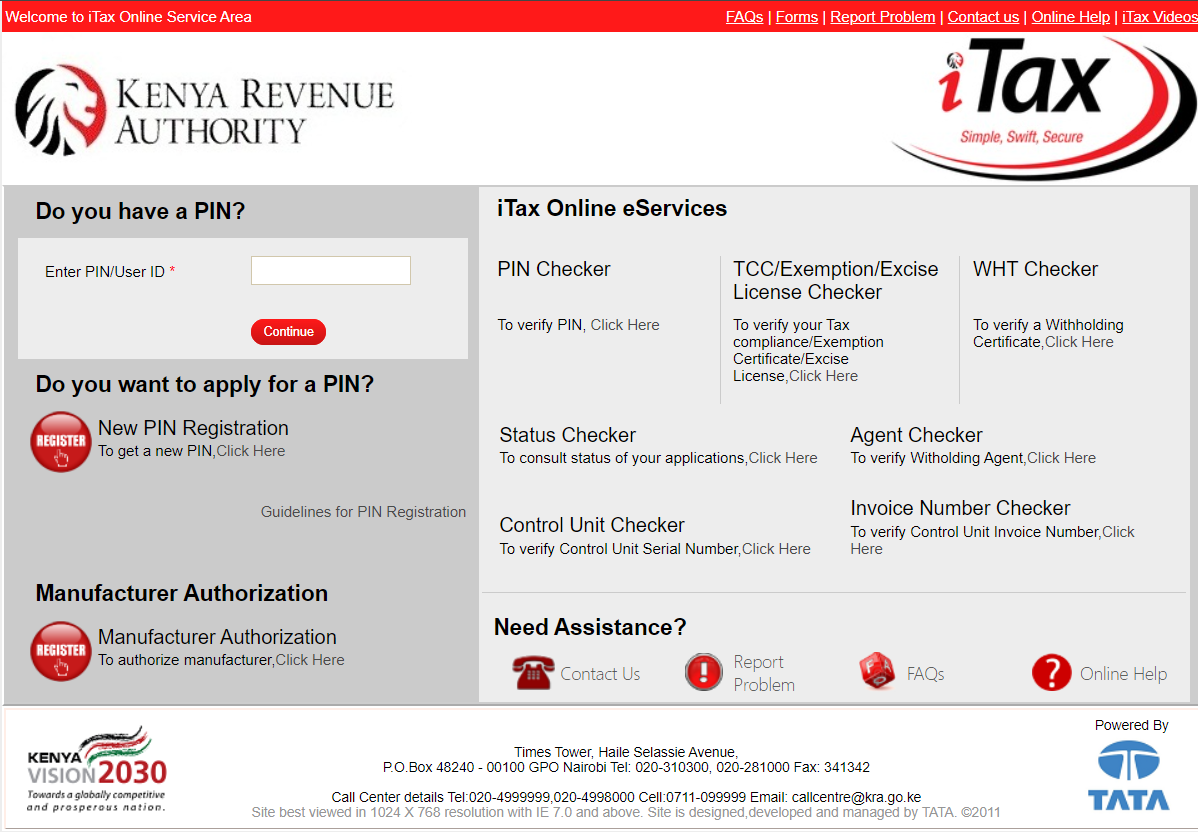
The Kenya Revenue Authority (KRA) has reinstated the Nil Returns filing option on its iTax platform after a temporary suspension that confused thousands of taxpayers earlier this year. This development comes as part of a broader effort to tighten tax compliance and modernize the digital filing process.
Why Nil Returns Were Temporarily Suspended
In January 2026, KRA paused the ability for taxpayers to file Nil Returns — declarations showing no taxable income — as it introduced new system checks and validations. The authority identified widespread misuse, including instances where taxpayers declared zero income despite having transactions and taxes withheld from payments.
Officials explained that the suspension gave them time to embed stronger data-driven pre-validation features into iTax. These checks cross-reference taxpayer records with multiple external sources before a Nil Return can be submitted.
What’s New in the iTax System
The restored functionality now includes enhanced validation and pre-population of tax returns using:
- Data from the electronic Tax Invoice Management System (eTIMS)
- Withholding tax records
- Customs import documentation
This means when a taxpayer accesses their return on iTax, the system will already show income and receipts based on third-party data — making it harder to file falsely as a nil filer. Taxpayers must either confirm or correct the pre-populated information, or face possible follow-up by KRA.
Commissioner for Micro and Small Taxpayers, George Obell, said this approach ensures greater transparency and reduces opportunities for abuse.
Who Can File Nil Returns Now?
The restored Nil Returns option applies to income tax returns for the January–December 2025 period, but only for returns filed after March 31, 2026 — when the updated iTax validations are fully active.
KRA emphasized that this change does not affect filing for earlier periods or other tax obligations such as:
- PAYE (Pay-As-You-Earn)
- Excise duty
- Monthly Rental Income (MRI)
- Turnover Tax (TOT)
Those can continue as normal on iTax.
What This Means for Taxpayers
Taxpayers are advised to:
- Verify their PIN details on iTax to ensure accurate data matching
- Expect more automated tax data pre-population
- Engage with KRA promptly if the pre-populated figures don’t reflect reality
KRA’s goal is to move more nil filers and non-filers into active tax compliance, expanding the tax base and reducing loss from underreporting.
Conclusion
The reinstatement of Nil Returns with upgraded system checks signals KRA’s commitment to modernizing tax administration in Kenya. By leveraging advanced data sources and automated validations, the authority aims to ensure that tax filing is both accurate and fair — while discouraging misuse of the nil filing option.