Divisions within the Orange Democratic Movement (ODM) are becoming more visible as party leaders clash over the possibility of entering an early political deal with President William Ruto ahead of the 2027 General Election. While some figures within ODM support continued cooperation with the government, others warn that rushing into a formal alliance could weaken the party’s identity and deepen internal fractures.
Rift Over Coalition Timing and Strategy
Tensions within ODM have become more pronounced as some party leaders advocate for formal coalition talks with the ruling UDA, while others urge caution and insist that ODM must first solidify its support base and consult rank-and-file members before committing to any pact. Recently, the UDA’s National Executive Committee authorized President Ruto to open structured coalition negotiations with ODM, a move that many within the opposition party view as premature.
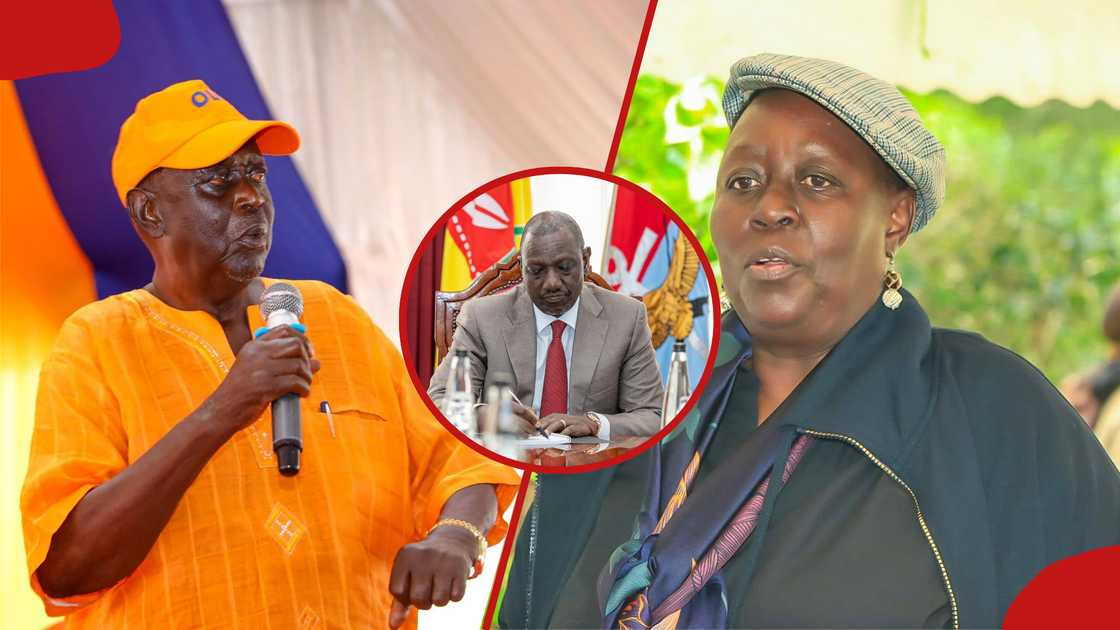
While the broad-based cooperation between ODM and UDA continues, critics within ODM argue that entering a full coalition more than a year before the election risks undermining the party’s independence and bargaining power. Siaya Governor James Orengo warned that ODM could lose its national identity if it ties itself too closely to UDA, potentially becoming a regional force rather than the broad-based party it was built to be.
Voices of Caution from Within
Some factions in ODM have openly opposed the rush toward a coalition, arguing that the party must instead prioritize internal consultations and grassroots engagement. These leaders say that without a clear strategy and widespread member support, any early deal could damage ODM’s credibility among voters and weaken its negotiating position.
They emphasize the importance of holding townhall meetings and broader discussions with party members before finalizing any electoral pacts, cautioning that political deals made behind closed doors can deepen divisions and alienate key constituencies.
Support for Talks from Youth and Other Members
However, not all voices within ODM are opposed. Some party youth leaders and activists have publicly backed the idea of continuing cooperation with UDA, describing the broad-based government arrangement as beneficial for national unity and political stability. These supporters argue that working alongside the ruling party can help ODM influence policy and secure victories in future elections.
Their stance adds complexity to the debate, as younger members seek to balance loyalty to party traditions with pragmatic engagement in national politics.
What This Means for 2027
As ODM deliberates its next steps, the outcome of these discussions could shape Kenya’s electoral landscape. Key issues include:
- Whether ODM enters a full coalition with UDA or maintains independence
- How internal party unity is preserved amid differing viewpoints
- The timing of any formal agreement ahead of the 2027 election
Political analysts suggest that ODM’s ability to manage internal disagreements while positioning itself as a viable contender in the next election will be crucial to its fortunes. These debates highlight the broader challenge facing opposition parties: balancing strategic alliances with the need to maintain core identity and grassroots support.