NSSF Uganda declares 22.53% interest: what it means for your savings
NSSF Uganda credited members with a record 22.53% for the year to June 2026, up from 13.5%. Here is how your NSSF savings grow and how to check them.
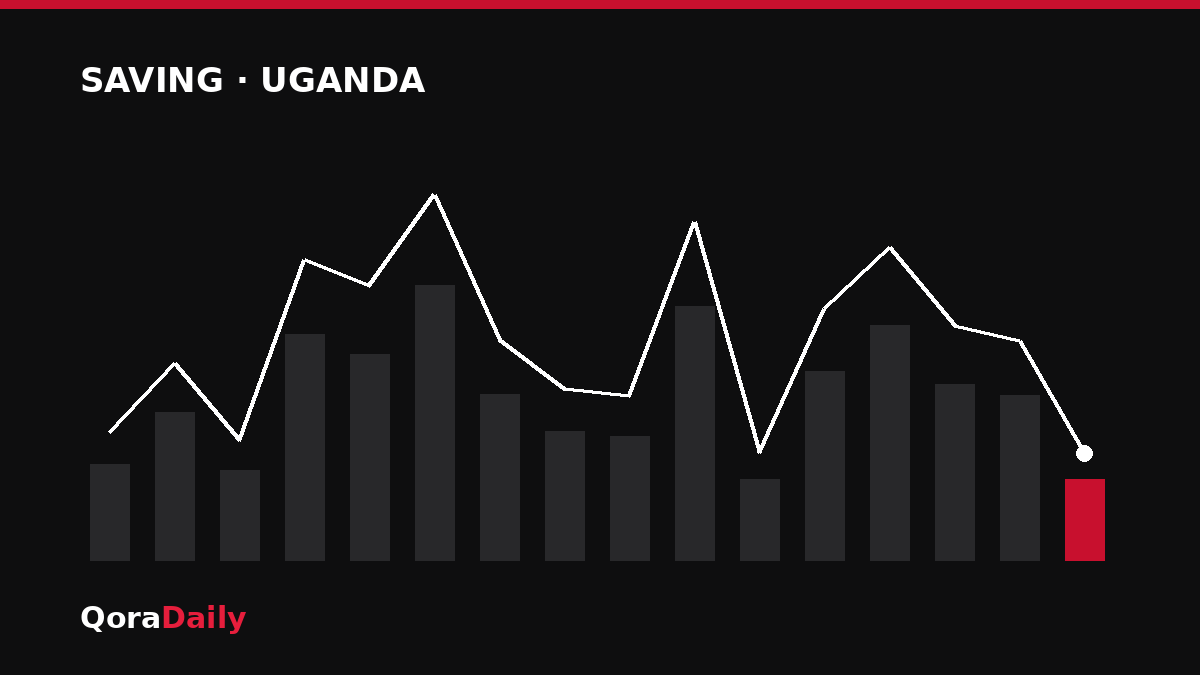
The National Social Security Fund (NSSF) of Uganda declared an interest rate of 22.53% on members' savings for the financial year that ended on 30 June 2026. It was announced at the Fund's annual members' meeting on 24 September 2026 and is a record, up from 13.5% the year before. For millions of workers, it means a large boost to their retirement savings. This guide explains what the NSSF Uganda interest rate means for your balance, how contributions work, and how to make sure your money is safely in your account.
What the 22.53% interest rate means
The declared rate is added to the balance members held during the year. Someone who had UGX 10 million in the Fund throughout the year would see about UGX 2.25 million of interest credited to their account. Contributions paid during the year earn interest only for the part of the year they were in the Fund, so a contribution made in May earns much less than one made the previous July.
The Fund says the rate follows the income it actually earned during the year from its investments, such as government securities, shares and real estate, so it changes every year. A high rate one year does not guarantee the same next year, and members should plan on the basis of more typical long-term returns.
Why the rate matters more than it looks
Because interest is added to your balance every year, it compounds: next year's interest is paid on this year's interest too. Over a working life, the difference between a high and a modest average rate can be very large. A real return, meaning the interest rate minus inflation, is what grows your purchasing power. With inflation at 5.8% in October 2026, the 22.53% declared rate gave members a strong real return for the year.
How NSSF contributions work in Uganda
Employees contribute 5% of gross pay and employers add 10%, so 15% of your pay goes into your NSSF account each month. In Uganda, NSSF contributions do not reduce PAYE, because tax is worked out on gross pay; see our Uganda PAYE calculator for your take-home pay, and our guide to Uganda's new PAYE rates.
Self-employed people and workers in the informal sector can save voluntarily with NSSF, and they receive the same declared interest on their savings. This makes the Fund an option for traders, farmers and freelancers who have no employer pension.
When can you get your NSSF savings?
NSSF savings are long-term and are mainly paid out when you reach retirement age. The law also allows some earlier payments in specific cases, including mid-term access to part of your savings for members who meet age and contribution conditions, and payments on invalidity or emigration. Check the current rules with NSSF before planning around an early withdrawal.
Check that your money is there
Ask NSSF for a statement through its app, website or offices, and compare the contributions with your payslips. Each month should show both your 5% and your employer's 10%. If your employer deducts NSSF but does not pass it on, report it to the Fund promptly: unremitted contributions earn no interest, and the Fund can pursue employers who fail to pay.
Should you save more beyond NSSF?
NSSF savings are not a substitute for an emergency fund, because you cannot withdraw them when you lose a job or face a medical bill. For money you may need sooner, keep an emergency fund in an accessible account; our guide to building an emergency fund in Uganda shows how. For medium-term goals, compare Treasury bills (see how to buy Treasury bills in Uganda) or unit trusts, and use our savings calculator to see how regular saving adds up.
Frequently asked questions
What interest did NSSF Uganda declare for 2025/26?
22.53%, a record, for the year ended 30 June 2026.
How much do I contribute to NSSF in Uganda?
Employees pay 5% of gross pay and employers pay 10%.
How do I check my NSSF balance?
Use the NSSF app, the website or visit an NSSF office to get a statement.
Sources
This article is general information, not financial advice.